Before the Beach as We Know It
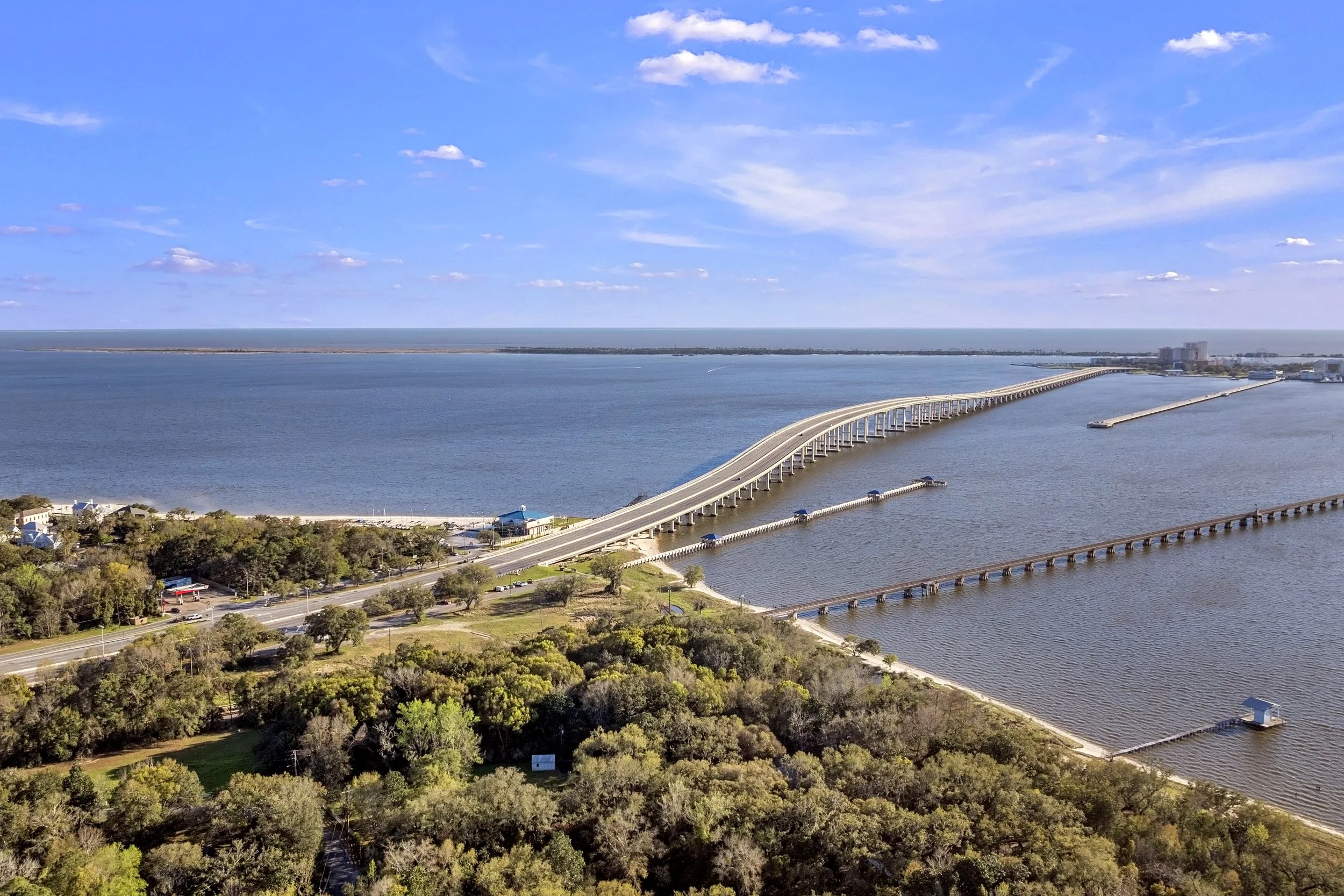
Long before Ocean Springs became a place people traveled to for rest or recreation, it was a place shaped by water, work, and resilience. This was not a coastline of sandy beaches and seaside cottages, but a practical landscape defined by tides, marsh, and necessity. Life here was not centered on leisure. It was built around survival, cooperation, and an intimate understanding of the land.
The shoreline of early Ocean Springs bore little resemblance to what exists today. Instead of a wide sandy beach, the coast was rocky and marsh-lined, punctuated by oyster reefs that supported daily life but did not invite gathering or development. The water was a resource first. It provided food, transportation, and connection to neighboring communities, but it was not where people built their homes or spent their free time.
The beach as we know it today is the result of deliberate human effort. Over decades, shoreline stabilization and sand placement reshaped the coast to protect inland areas and create public space. This transformation reflected a changing relationship with the water, one that gradually made room for recreation alongside function. The beach was not the origin of Ocean Springs, but a later chapter in its story.
Early settlement patterns reflected both practicality and respect for the landscape. Homes were established slightly inland, near dependable freshwater sources. Marble Springs was one of the most significant of these, long used by Native American tribes including the Biloxi and Pascagoula for sustenance, healing, and ceremony. The mineral-rich waters held both physical and cultural importance, shaping how the area was used long before European settlement.
For early settlers, access to fresh water offered stability and protection. Living inland reduced exposure to storms and flooding while providing reliable resources for daily life. This balance between proximity to the coast and distance from its risks shaped the town’s early layout and growth.
Daily life in Ocean Springs was rooted in labor. Fishing and oystering were livelihoods, not pastimes. Families worked the surrounding waters and nearby reefs, sustaining themselves through harvest and trade. Small-scale commerce connected the town to the broader Gulf Coast, with boats serving as essential links between communities. Much of this work was shared, reinforcing strong ties among neighbors.
Homes reflected these realities. They were designed for climate and durability, with wide porches, elevated foundations, and shaded spaces that encouraged airflow. Comfort came from thoughtful design rather than ornament, and craftsmanship was valued for how well it served daily life.
Community formed through shared responsibility. Neighbors depended on one another, whether on the water, in preparing meals, or in caring for the land. This interdependence shaped the social fabric of Ocean Springs and remains a defining characteristic today. The town was never built around spectacle. It grew through relationships.
As Ocean Springs evolved, it did so gradually. By the late nineteenth and early twentieth centuries, visitors began arriving in search of health and rest, drawn by the springs, the climate, and the natural surroundings. This period marked the beginning of Ocean Springs as a destination, but it did not replace the town’s working foundation. Instead, it added another layer to an already established way of life.
Growth continued, and with it came new infrastructure and cultural institutions. Artists, writers, and creatives found inspiration here, drawn by the town’s pace and sense of place. Even as the community expanded, it retained its underlying rhythm. Change did not erase what came before. It built upon it.
What we now recognize as a coastal lifestyle grew directly from this history. The shoreline changed. The town expanded. But the values that shaped Ocean Springs from the beginning remained intact. Simplicity. Care for the land and water. A sense of belonging rooted in shared experience.
Today, Ocean Springs is known for its walkable downtown, creative spirit, and connection to the coast. These qualities did not appear overnight. They are the result of generations of people who understood the land, respected its limits, and chose to build a life here with intention.
Ocean Springs is not a destination that was created quickly or carelessly. It is a place shaped over time by people who worked the water, honored the land, and passed down a way of life grounded in resilience, community, and continuity. That history still lives here, woven into the town’s streets, shoreline, and everyday rhythm.